Turning Cloud Computing Conferences Into Growth Opportunities
The global cloud computing market reached $545.8 billion, according to Gartner, driving unprecedented demand for cloud computing conferences where enterprise buyers evaluate solutions worth millions in annual contracts. Cloud computing conferences represent the most concentrated opportunity to reach enterprise decision-makers actively researching cloud solutions — CTOs, VPs of Engineering, cloud architects, and procurement teams who drive seven-figure cloud deals.
This massive market creates intense competition among cloud providers, SaaS platforms, and infrastructure companies vying for attention at premier industry events. Eventique services transform this challenge into competitive advantage through strategic experiential activations that cut through conference noise and deliver measurable pipeline growth.
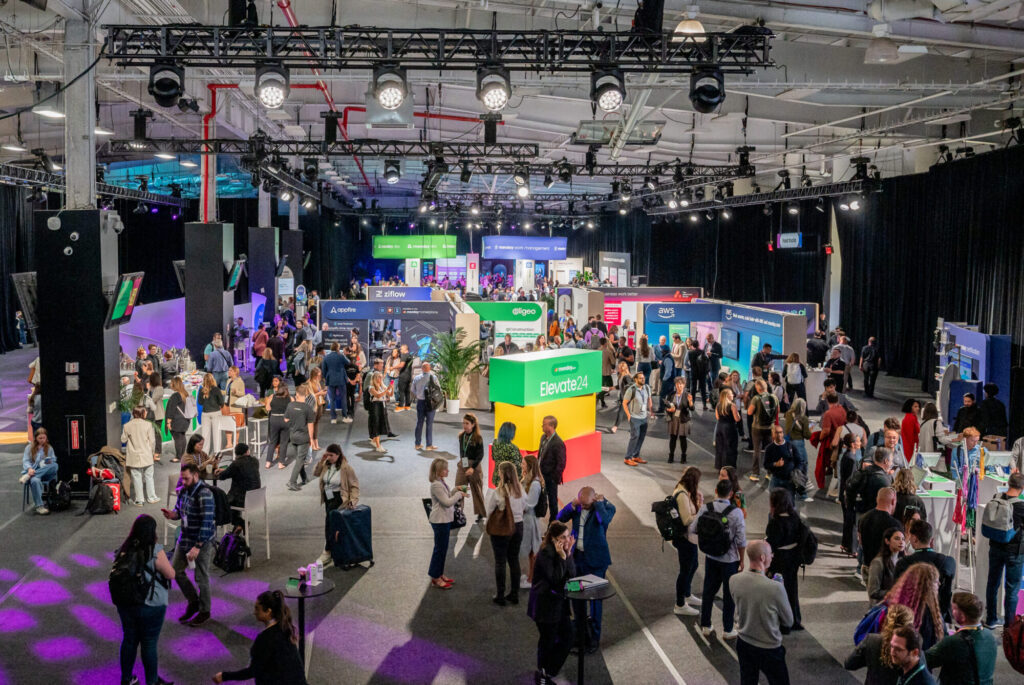
Enterprise Cloud Summits vs. Developer Days vs. Partner Expos
Cloud computing conferences differ fundamentally from general technology events in their focused approach to cloud infrastructure, services, and enterprise transformation. Understanding format differences enables cloud brands to select optimal events and design appropriate experiential strategies for maximum ROI.
Enterprise cloud summits attract C-suite executives, IT directors, and procurement teams focused on large-scale digital transformation. Developer-focused cloud conferences draw technical practitioners and DevOps teams evaluating specific tools and implementation approaches. Partner ecosystem conferences focus on channel relationships, integration partnerships, and marketplace opportunities.
According to EventMB, 73% of cloud conference attendees hold budget authority for technology purchases, compared to 41% at general technology events. This concentration of qualified prospects creates exceptional ROI opportunities for brands that execute strategic activations.
Why Cloud Computing Conferences Accelerate Enterprise Pipeline
Cloud computing conferences deliver unmatched access to enterprise buyers during active evaluation cycles. Unlike digital marketing channels that reach prospects in research phases, these events connect brands with decision-makers ready to evaluate solutions and make purchasing decisions within compressed timeframes.
According to Grand View Research, 78% of enterprise cloud purchasing decisions involve conference interactions, with attendees evaluating an average of 3.4 vendors per event. Enterprise buyers attend specifically to evaluate cloud platforms, compare vendor capabilities, and build relationships with potential technology partners.
Cloud conferences also provide critical competitive intelligence opportunities. Brands gain firsthand insights into competitor positioning, product announcements, and market messaging while building relationships with industry analysts and thought leaders who influence enterprise purchasing decisions. Forrester Research reports that companies participating in cloud computing conferences see 340% higher lead quality scores compared to general technology events.
Immersive Cloud Demos That Convert Enterprise Buyers
Successful cloud computing conference activations center on immersive demonstrations that showcase real-world enterprise use cases. Static booth displays fail to communicate the complexity and value of cloud solutions to sophisticated technical audiences who demand proof of capability.
Interactive demo environments allow prospects to experience cloud platforms firsthand through guided scenarios mirroring their specific business challenges. Live migration demonstrations showcase enterprise transitions from legacy systems to cloud-native architectures — attendees witness data transfer speeds, application compatibility testing, and security validation processes addressing specific migration concerns.
Performance benchmarking stations enable side-by-side comparisons of cloud platforms handling enterprise workloads. Real-time metrics displays show processing speeds, cost calculations, and resource utilization patterns that directly inform procurement decisions and budget planning. Transparent performance data builds credibility while highlighting competitive advantages that differentiate platforms in crowded markets.
Thought Leadership for Technical and Executive Audiences
Cloud computing conferences attract diverse audiences requiring different engagement approaches. Technical attendees seek deep content and hands-on learning, while executive audiences focus on business outcomes, ROI metrics, and strategic implications of cloud adoption.
Successful thought leadership strategies address both segments through multi-track content. Technical sessions dive into architecture patterns, performance optimization, and implementation best practices. Executive tracks focus on digital transformation outcomes, cost optimization strategies, and competitive advantages of cloud adoption.
According to PCMA, 68% of cloud conference attendees rate hands-on technical workshops as the most valuable content format, while 54% prioritize executive case studies demonstrating measurable business outcomes. Private executive briefings create exclusive environments where cloud vendors present customized solutions and negotiate enterprise agreements — generating the largest conference ROI through direct engagement and accelerated sales cycles.


Experiential Sponsorships and Executive Engagement
Strategic sponsorship activations at cloud computing conferences create memorable experiences that differentiate brands while generating qualified leads. Traditional booth sponsorships fail to capture attention in crowded exhibition halls filled with similar technology vendors.
Experiential sponsorships focus on creating value-driven interactions demonstrating cloud capabilities through engaging experiences — cloud migration simulators, security breach response scenarios, or performance optimization challenges that showcase platform advantages.
Workshop sponsorships enable deep technical engagement through hands-on training sessions where attendees learn platform-specific skills. These educational experiences create positive brand associations while generating qualified leads from participants actively evaluating cloud solutions. Networking reception sponsorships facilitate relationship building in relaxed environments where enterprise buyers engage in meaningful conversations about business challenges and partnership opportunities.
Selecting High-Impact Cloud Conferences for Maximum ROI
Cloud conference selection requires strategic analysis of attendee demographics, competitive presence, and alignment with business development objectives. Not all cloud conferences deliver equal ROI for every brand or business model.
Audience composition analysis identifies conferences attracting target enterprise segments and budget holders relevant to specific cloud platform capabilities. Events with higher percentages of director-level and above attendees generate superior lead quality. According to IBISWorld, successful cloud conference participation requires 3-5x the base sponsorship fee in activation and execution costs.
Geographic market alignment ensures conference participation supports regional expansion strategies and local partnership development. Competitive landscape assessment reveals which cloud platforms participate in specific conferences, enabling strategic positioning and differentiation opportunities that inform messaging and demonstration strategies.
Turning Cloud Computing Conferences into Pipeline Growth
Cloud computing conferences generate maximum business impact when strategies align with comprehensive lead generation, relationship development, and sales acceleration objectives extending beyond event timeframes.
Pre-conference outreach identifies target enterprise attendees, schedules strategic meetings, and creates anticipation around product announcements. On-site execution focuses on capturing qualified leads through strategic booth placement, interactive demonstrations, and thought leadership that positions brands as trusted advisors.
According to Bizzabo, companies that follow up within 24 hours of event conclusion achieve 60% higher conversion rates than those that delay beyond one week. Systematic lead scoring, personalized follow-up sequences, and coordinated sales engagement transform event interactions into qualified opportunities and closed deals.
Why Cloud Brands Partner with Eventique
Cloud computing conferences demand sophisticated activation strategies combining technical expertise, creative execution, and measurable business outcomes. Eventique delivers the specialized experience and proven methodologies that transform conference participation into competitive advantage and pipeline growth.
Our deep understanding of cloud technology audiences enables precise targeting and messaging that resonates with both technical evaluators and executive decision-makers. Eventique’s comprehensive conference management services integrate strategic planning, creative execution, and performance measurement to ensure every cloud conference investment delivers measurable ROI.
Our boutique agility enables rapid adaptation to evolving cloud market dynamics while enterprise-grade operational capabilities ensure flawless execution at premier industry events. We become strategic co-architects for cloud brands’ conference strategies, delivering ROI beyond traditional event metrics.
Start Planning Your Cloud Computing Conference Strategy
Cloud computing conferences represent critical touchpoints where enterprise technology decisions accelerate, partnerships form, and market leadership positions establish. Success requires strategic planning, sophisticated activation, and systematic follow-up that transforms booth visits into enterprise relationships.
Ready to dominate cloud computing conferences and accelerate enterprise growth? Contact our team to discuss your conference strategy and discover how Eventique transforms cloud platform participation into competitive advantage and measurable pipeline growth.
FAQs
Companies sponsor cloud computing conferences to access concentrated audiences of enterprise decision-makers actively evaluating cloud solutions. These events provide direct access to CTOs, cloud architects, and procurement teams who drive million-dollar cloud adoption decisions, creating exceptional lead generation and competitive differentiation opportunities.
Cloud computing conferences deliver superior B2B lead generation results, with 73% of attendees holding budget authority for technology purchases. The intent-driven audience generates 340% higher lead quality scores compared to general technology events, with faster sales cycles due to concentrated decision-maker attendance.
SaaS companies should prioritize enterprise cloud summits and developer-focused events based on their target market. Enterprise SaaS platforms benefit from executive-focused conferences with high concentrations of IT decision-makers, while developer-oriented SaaS tools achieve better results at technical conferences emphasizing hands-on learning.
Successful cloud conference participation requires 3-5x the base sponsorship fee in total investment, including activation costs, travel, and team participation. Enterprise cloud conferences demand higher investments due to sophisticated audience expectations, but deliver proportionally higher ROI through qualified enterprise lead generation.
The most effective activations combine immersive demonstrations with thought leadership content addressing both technical and business audiences. Interactive demo environments, hands-on workshops, executive briefings, and technical office hours create multiple engagement touchpoints that differentiate brands and generate qualified leads.
Cloud conference ROI measurement requires tracking qualified lead generation, pipeline creation, and closed deal attribution over 6-18 month periods. Leading metrics include demo participation, content downloads, and meeting requests. Lagging indicators focus on opportunity creation, deal velocity, and revenue attribution.
Cloud computing startups should evaluate major conference investments based on target market alignment and available resources. While premier events provide unmatched audience access, smaller specialized conferences deliver better ROI through lower costs, less competition, and more intimate networking opportunities with qualified prospects.