How Tech Brands Lead the Conversation at Finance Conferences
The financial services landscape has never been more competitive. With regulatory shifts reshaping the industry, fintech disruption accelerating at breakneck speed, and institutional investors demanding unprecedented transparency, finance conferences have evolved from networking events into mission-critical business platforms where deals are made, partnerships are forged, and market leadership is established.
For financial brands, these gatherings represent far more than speaking opportunities – they’re revenue engines. The most successful financial services companies understand that strategic conference participation can generate significant pipeline value, establish thought leadership that influences buying decisions, and create the high-trust relationships that drive institutional partnerships.
Yet standing out among hundreds of exhibitors, dozens of keynote sessions, and thousands of finance professionals requires more than a polished booth and branded swag. It demands a strategic approach that transforms conference participation into measurable business outcomes.

What Are Finance Conferences?
Finance conferences encompass a diverse ecosystem of professional gatherings designed to advance knowledge, foster connections, and drive innovation across the financial services industry. These events range from intimate CFO leadership roundtables to massive fintech expositions attracting thousands of attendees from across the banking and finance ecosystem.
At their core, financial conferences serve as convergence points where finance professionals, institutional investors, corporate leaders, and industry experts gather to explore market trends, regulatory developments, and emerging technologies. Whether focused on traditional banking, cutting-edge fintech developments, or specialized areas like ESG reporting standards and climate risk management, these events create environments where business relationships flourish and industry direction is shaped.
The distinction between a “finance conference” and “financial conference” is largely semantic – both terms describe the same category of professional events. However, usage patterns often reflect focus areas: “finance conferences” frequently emphasize corporate finance, FP&A conferences, and treasury functions, while “financial conferences” may lean toward broader financial services topics including banking, insurance, and investment management.
Modern finance conferences have expanded beyond traditional formats to include virtual components, AI-powered networking platforms, and interactive technology demonstrations. From blockchain finance showcases to quantitative finance workshops, these events now serve as laboratories for testing new ideas and technologies that will define the industry’s future.
Why Finance Conferences Matter for Financial Brands
The influence of finance conferences extends far beyond the event dates themselves. These gatherings function as trust-building accelerators in an industry where reputation and relationships drive everything from capital allocation decisions to technology adoption cycles.
For institutional investors, conferences provide concentrated access to management teams, product demonstrations, and peer insights that inform investment decisions. A compelling conference presence can position a fintech startup for significant funding or help an established financial services firm secure new institutional clients.
The networking density at financial conferences creates unique opportunities for partnership development. Financial sponsors seeking portfolio company solutions, corporate development teams evaluating acquisition targets, and technology vendors pursuing enterprise clients all converge in environments designed for meaningful business conversations.
Perhaps most critically, finance conferences serve as industry pulse-checkers where market sentiment is shaped. The themes emphasized in keynote sessions, the technologies showcased in exhibition halls, and the regulatory topics dominating panel discussions all influence how finance professionals prioritize investments and strategic initiatives.
Research consistently demonstrates that financial brands with strong conference strategies achieve higher brand recognition among target audiences, generate more qualified leads, and close deals faster than those who treat these events as afterthoughts.


How Brands Stand Out at Finance Conferences
Data-Driven Booths and Fintech Demos
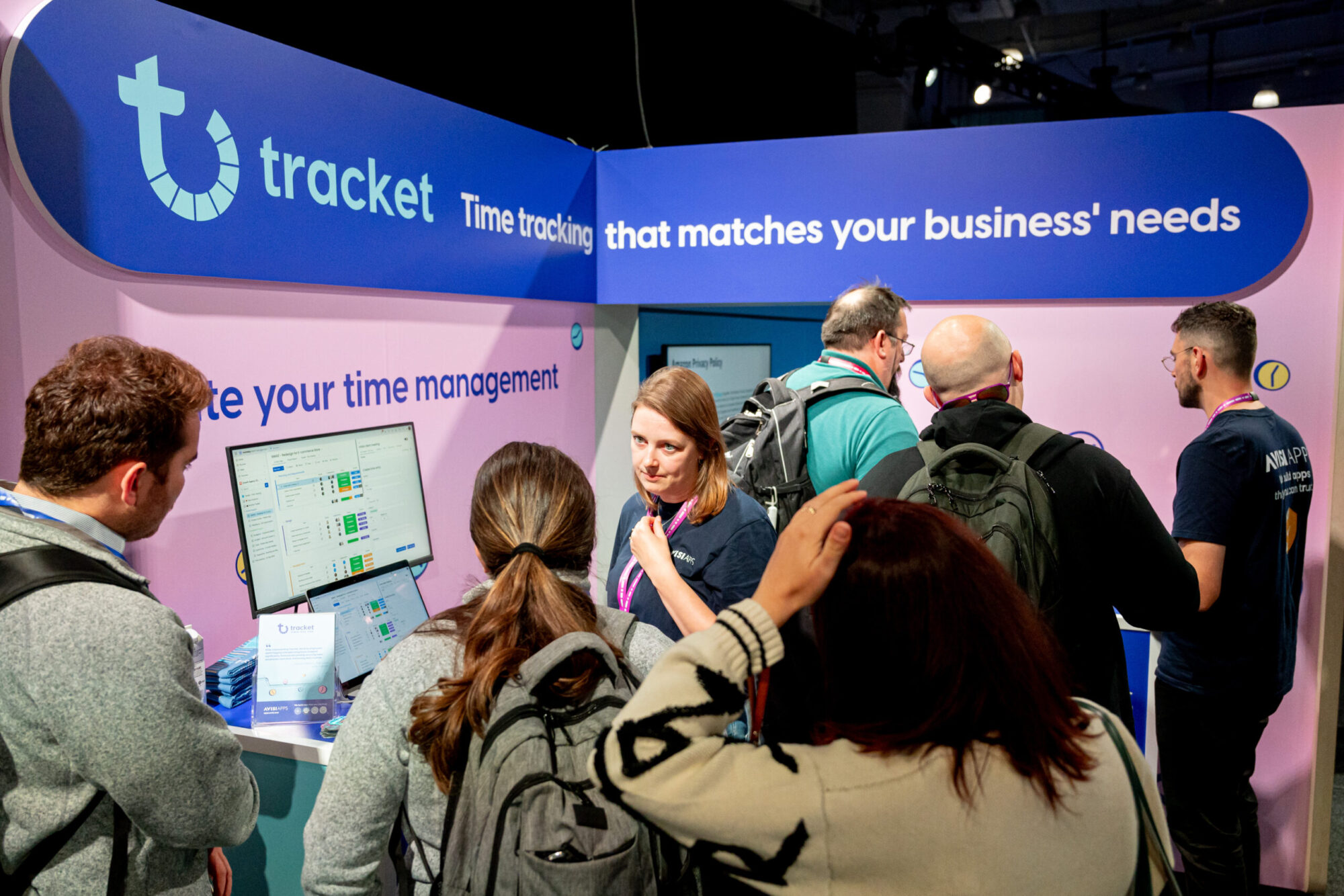
The most memorable finance conference experiences transform abstract financial concepts into tangible, interactive demonstrations. Leading fintech companies create immersive booth environments where attendees can explore live dashboards, test risk analytics platforms, and experience AI-powered networking tools firsthand.
Successful financial brands leverage real-time data visualization to showcase their capabilities. Instead of static presentations about credit risk management, they demonstrate live risk models processing actual market data. Rather than describing blockchain finance applications, they provide hands-on experiences with working platforms.
Interactive product experiences generate significantly higher engagement rates and lead quality compared to traditional booth setups. Finance professionals want to understand how solutions will perform in their specific environments, making demonstration-focused approaches far more effective than purely informational displays.
The integration of emerging technologies – from augmented reality portfolio visualizations to machine learning-powered investment recommendations – helps brands position themselves as innovation leaders while providing memorable experiences that extend conversations beyond the conference floor.
Thought Leadership & CFO Programming
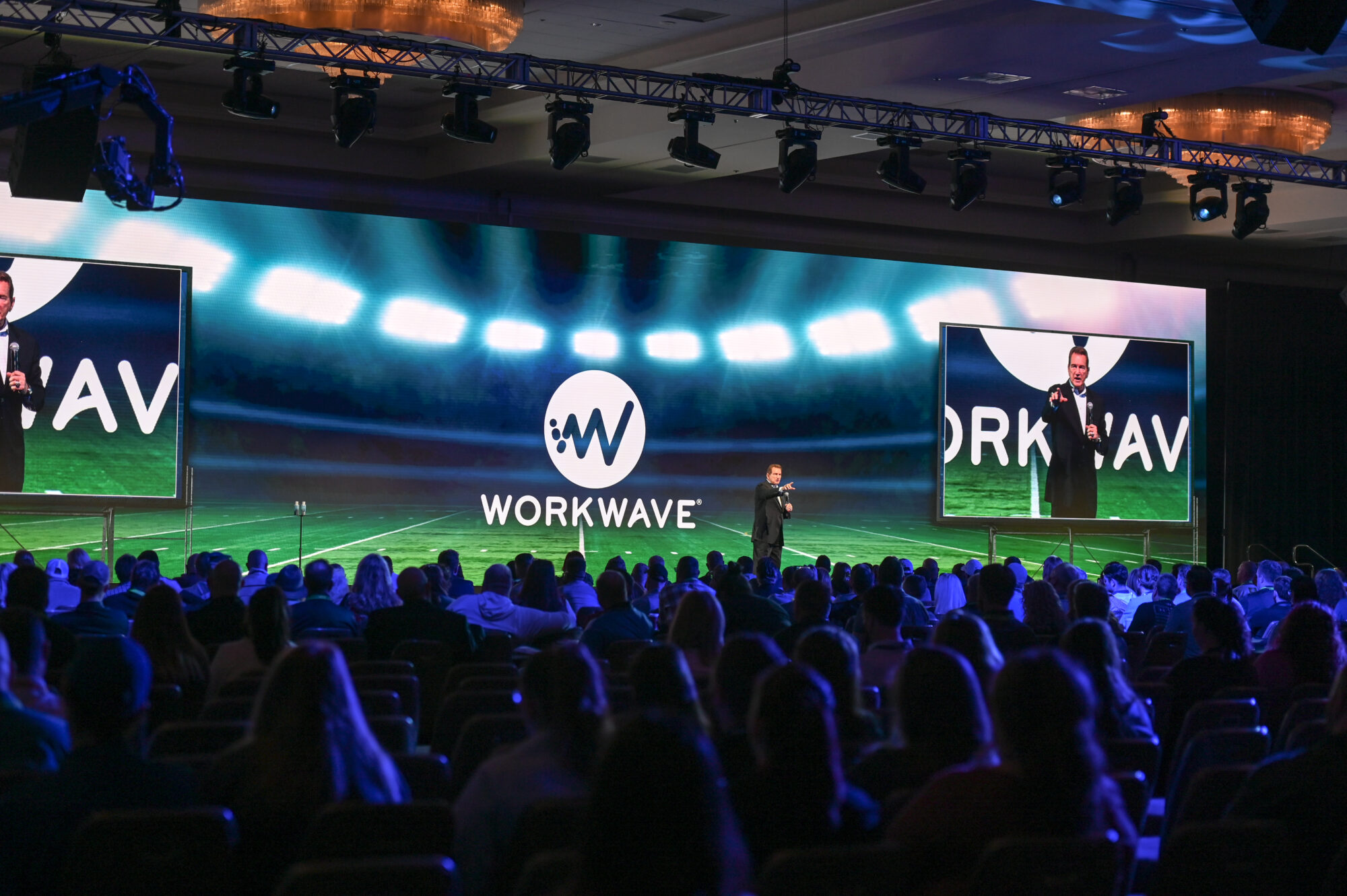
Establishing authority through strategic content programming remains one of the most powerful differentiation strategies at financial conferences. The most successful financial brands don’t just participate in existing sessions – they create programming that positions their executives as industry visionaries.
CFO leadership conferences particularly reward brands that contribute substantive insights on topics like ESG reporting standards, regulatory compliance automation, and strategic financial planning. When a fintech CEO delivers a keynote on the future of institutional lending or a banking executive leads a panel on climate risk assessment, they’re establishing their organizations as thought leaders that influence industry direction.
The key lies in addressing the specific challenges keeping finance professionals awake at night. Sessions focusing on practical applications of new technologies, regulatory navigation strategies, and market trends analysis consistently draw the largest audiences and generate the most post-event engagement.
Paper presentations, case studies, and knowledge sharing provide additional opportunities for brands to demonstrate expertise while building credibility with potential clients who value evidence-based approaches to financial challenges.
High-Value Networking Experiences
The most successful finance conference strategies recognize that real business happens outside formal sessions. Creating exclusive networking opportunities – from investor lounges to executive roundtables – allows brands to facilitate the high-quality connections that drive partnership development and client acquisition.
Private briefings with institutional investors, invitation-only dinners for corporate leaders, and specialized workshops for finance professionals create environments where meaningful business relationships develop naturally. These intimate settings enable deeper conversations about specific challenges and solutions that simply aren’t possible in crowded exhibition halls.
The fintech ecosystem particularly benefits from structured networking approaches that connect entrepreneurs with financial sponsors, technology vendors with enterprise buyers, and established financial services firms with innovation partners.
Types of Financial Conferences Brands Should Target
The finance conference landscape offers numerous specialization opportunities, each serving distinct audience segments and business objectives. CFO leadership conferences attract senior financial executives focused on strategic planning, risk management, and operational efficiency – making them ideal for solutions targeting enterprise decision-makers.
Fintech conferences draw entrepreneurs, investors, and technology adopters interested in innovation and disruption within the fintech ecosystem. These events favor brands with cutting-edge solutions, venture capital connections, or partnership opportunities.
Banking and finance summits typically feature the broadest audience mix, combining traditional financial institutions with emerging players across lending, payments, wealth management, and regulatory technology. FP&A conferences specifically target financial planning and analysis professionals, creating focused environments for solutions addressing budgeting, forecasting, and performance management challenges.
Financial services expos often emphasize technology demonstrations and vendor relationships, making them particularly valuable for companies seeking to establish channel partnerships or expand their solution ecosystem.
The most sophisticated financial brands develop portfolio approaches, participating in multiple conference types to reach different stakeholder groups while maintaining consistent messaging and positioning across all touchpoints.


How to Choose the Right Finance Conferences
Strategic conference selection requires careful analysis of audience alignment, market positioning objectives, and return on investment potential. The most successful financial brands begin by clearly defining their target customer profiles and mapping those segments to specific conference audiences.
Market segment focus proves crucial – a blockchain finance platform will find more qualified prospects at fintech-focused events than traditional banking conferences, while ESG reporting solutions may perform better at sustainability-themed financial conferences.
Sponsorship ROI analysis should extend beyond immediate lead generation to include brand awareness metrics, partnership development opportunities, and long-term relationship building potential. The highest-value conferences often provide multiple touchpoints, creating ongoing engagement opportunities rather than single-event interactions.
Exhibitor value assessment requires understanding not just attendee demographics but also the quality of networking opportunities, speaking possibilities, and media coverage potential. Some finance conferences generate significant industry press attention, amplifying brand messaging far beyond the immediate attendee base.
Geographic considerations also matter significantly in financial services, where regulatory environments, market maturity, and competitive landscapes vary dramatically across regions.
Turning Finance Conferences into Revenue Engines
The most successful financial brands treat conference participation as integrated components of their broader demand generation strategies rather than isolated marketing activities. This approach requires sophisticated lead capture systems that identify not just contact information but also specific business challenges, decision-making timelines, and budget parameters.
Brand authority building through conference participation creates compound returns over time. When finance professionals consistently encounter a brand delivering valuable insights across multiple industry events, that repeated exposure builds the trust and credibility essential for complex B2B sales cycles.
Sales pipeline development benefits enormously from the relationship-building opportunities that conferences provide. Face-to-face interactions with institutional investors, corporate development teams, and technology buyers create foundation relationships that sales teams can nurture into significant revenue opportunities.
Partner growth acceleration represents another critical conference outcome. The financial services industry relies heavily on ecosystem partnerships, and conferences provide ideal environments for identifying, evaluating, and initiating strategic relationships with complementary solution providers.
Why Financial Brands Choose Eventique
Financial services brands face unique challenges when executing conference strategies. The industry’s emphasis on trust, compliance, and relationship-building requires experiential approaches that go far beyond traditional trade show tactics.
Eventique specializes in creating high-impact conference experiences that resonate with sophisticated financial audiences. Our deep understanding of the finance conference ecosystem enables us to design activations that generate meaningful business outcomes rather than just brand impressions – delivering ROI beyond the stage.
Our Eventique service process ensures that every touchpoint contributes to broader business objectives through comprehensive tracking systems that connect event participation directly to pipeline development and revenue generation.
Our boutique agility combined with enterprise-grade confidence enables financial brands to execute flawlessly across multiple conferences while maintaining consistent messaging and quality standards. From intimate CFO roundtables to massive fintech expositions, we deliver experiences that establish authority and drive business growth.
The financial services industry demands partners who understand regulatory requirements, audience sophistication, and the long sales cycles that characterize institutional decision-making. Our specialized expertise in conference management ensures that every detail supports broader business objectives and positions your brand as a future-forward industry leader.
Explore our work to see how we’ve helped financial services brands achieve breakthrough results through strategic conference participation and experiential marketing excellence.
Get Started with Your Finance Conference Strategy
The finance conference landscape continues evolving rapidly, with new events launching regularly and established conferences adapting to changing industry needs. The brands that dominate this environment are those that approach conference participation strategically, measuring success through business outcomes rather than vanity metrics.
Whether you’re a fintech startup seeking funding, an established financial services firm expanding into new markets, or a technology vendor targeting enterprise financial buyers, the right conference strategy can accelerate your business development timeline significantly.
Ready to transform your finance conference strategy into a revenue engine? Contact us to discover how Eventique can help your financial brand stand out in an increasingly competitive landscape while delivering the ROI beyond the stage that defines industry leadership.
FAQs
The terms “finance conference” and “financial conference” are essentially interchangeable and refer to the same category of professional events serving the financial services industry. Any distinction is largely semantic and contextual rather than definitional. “Finance conferences” may slightly emphasize corporate finance functions like FP&A, treasury management, and CFO leadership topics, while “financial conferences” might lean toward broader financial services including banking, insurance, wealth management, and investment services. However, both terms describe events where financial professionals gather to advance knowledge, build relationships, and explore industry developments.
Brands generate high-quality leads at finance conferences through strategic combination of interactive experiences, thought leadership positioning, and targeted networking. The most effective approach involves creating demonstration-focused booth experiences where finance professionals can interact with live platforms, explore real-time data visualizations, and test solutions addressing their specific challenges. Thought leadership through speaking opportunities, panel participation, and expert presentations establishes credibility while attracting qualified prospects. Strategic networking through executive roundtables, investor lounges, and private briefings creates environments for meaningful business conversations with decision-makers. Successful lead generation also requires sophisticated capture systems that identify specific business needs, decision timelines, and budget parameters, enabling sales teams to prioritize follow-up activities effectively.