
Turning Advertising Conferences Into Measurable Growth
The advertising landscape has never been more competitive – or more fragmented. With marketing budgets under scrutiny and attribution becoming increasingly complex, brands are seeking high-impact opportunities to cut through the noise. Advertising conferences represent one of the most concentrated environments where industry leaders, decision-makers, and innovative technologies converge. Yet for every brand that creates memorable moments and drives measurable results, dozens more blend into the background noise of generic booths and forgettable presentations.
The challenge isn’t just attending these events – it’s standing out in ways that generate qualified leads, influence buying decisions, and create lasting brand impressions. Smart brands understand that success at advertising conferences requires more than a booth and brochures; it demands strategic experiential marketing that transforms passive attendees into engaged prospects and loyal advocates.

What Are Advertising Conferences?
Advertising conferences serve as the industry’s premier knowledge-sharing platforms, where marketing strategies, emerging technologies, and consumer insights converge. These events span the full spectrum of advertising disciplines – from digital marketing and social media to performance marketing, influencer marketing, and search engine optimization.
Modern advertising conferences typically feature multi-track programming that addresses diverse marketing challenges. Attendees might explore content marketing innovations in one session, then dive into marketing automation workflows in another. The exhibition hall becomes a showcase for SaaS technologies, analytics platforms, and creative production tools that power today’s marketing ecosystem.
At their core, advertising conferences unite diverse marketing specializations under one roof. Digital advertising professionals explore programmatic buying, attribution modeling, and cross-channel optimization. Brand marketing leaders dive deep into creative strategy, customer experience design, and brand positioning. Performance marketers focus on conversion rate optimization, search marketing strategies, and data-driven growth tactics.
These events attract a sophisticated audience: CMOs seeking competitive advantages, agency leaders evaluating new partnerships, product marketing teams launching innovations, and marketing professionals advancing their expertise. The concentration of decision-makers creates unparalleled opportunities for brands that understand how to leverage the conference environment strategically.
Why Advertising Conferences Matter for Brands
Brand Credibility and Influence
Advertising conferences offer unparalleled opportunities to establish thought leadership within the marketing industry. When brands secure prominent speaking slots or sponsor high-visibility sessions, they position themselves as industry authorities rather than just service providers. This elevated positioning influences how potential customers, partners, and competitors perceive their expertise and market position.
The networking environment at these events creates powerful relationship-building opportunities. CMOs, agency leaders, and marketing professionals form connections that extend far beyond the conference dates, often resulting in strategic partnerships, referral relationships, and collaborative opportunities that drive long-term brand influence.
Pipeline and Revenue Growth
The most successful brands treat advertising conferences as revenue generation engines. These events provide direct access to qualified prospects actively researching solutions, with buying intent that’s often immediate. Unlike traditional marketing channels, conferences enable real-time relationship building with decision-makers who have budget authority and implementation timelines.
Conference interactions occur within a context of mutual interest and industry focus. Prospects are already in “learning mode,” making them more receptive to discovering solutions that address their current challenges. This receptive mindset significantly improves conversion rates and shortens sales cycles.
Partner and Agency Relationships
Advertising conferences serve as relationship accelerators, strengthening existing partnerships while fostering new collaborations that drive mutual growth. Brands often use these events to announce strategic alliances, showcase joint solutions, or explore co-marketing opportunities with complementary companies.
The collaborative atmosphere encourages knowledge sharing between brands that might otherwise compete, leading to innovative partnerships and co-marketing opportunities. These relationships often prove more valuable than direct sales, creating ongoing revenue streams through referrals, joint ventures, and strategic collaborations.
Product Launches and Market Positioning
The concentrated attention at advertising conferences creates ideal conditions for product launches and market positioning initiatives. Brands can generate immediate buzz, gather real-time feedback from target users, and establish competitive differentiation in front of industry influencers who amplify their message.
How Brands Stand Out at Advertising Conferences
Experience-Led Booths and Brand Activations
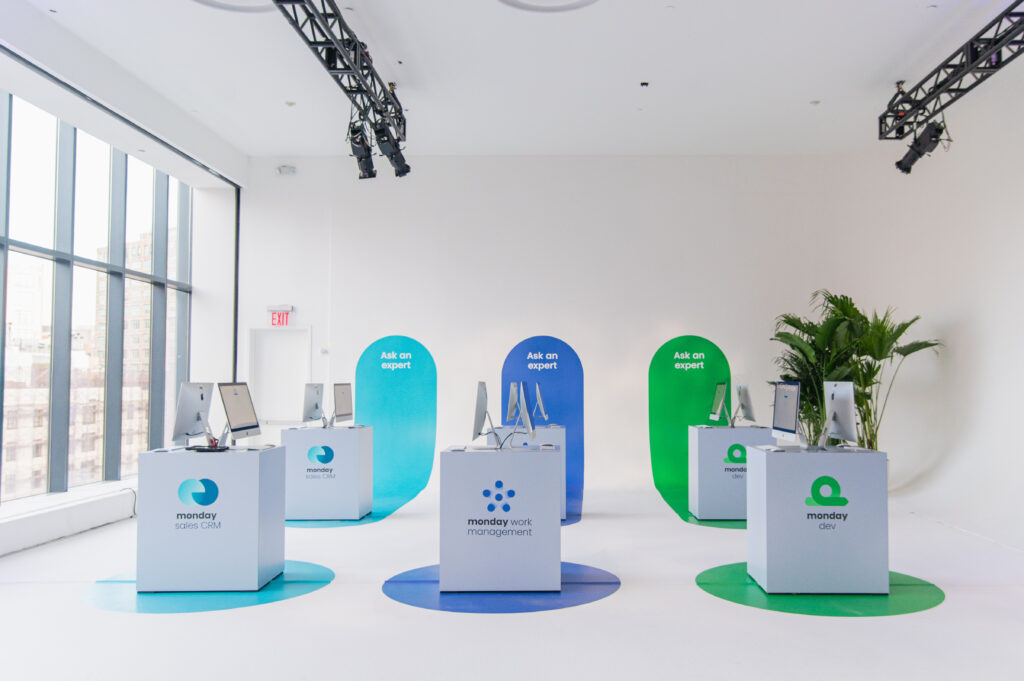
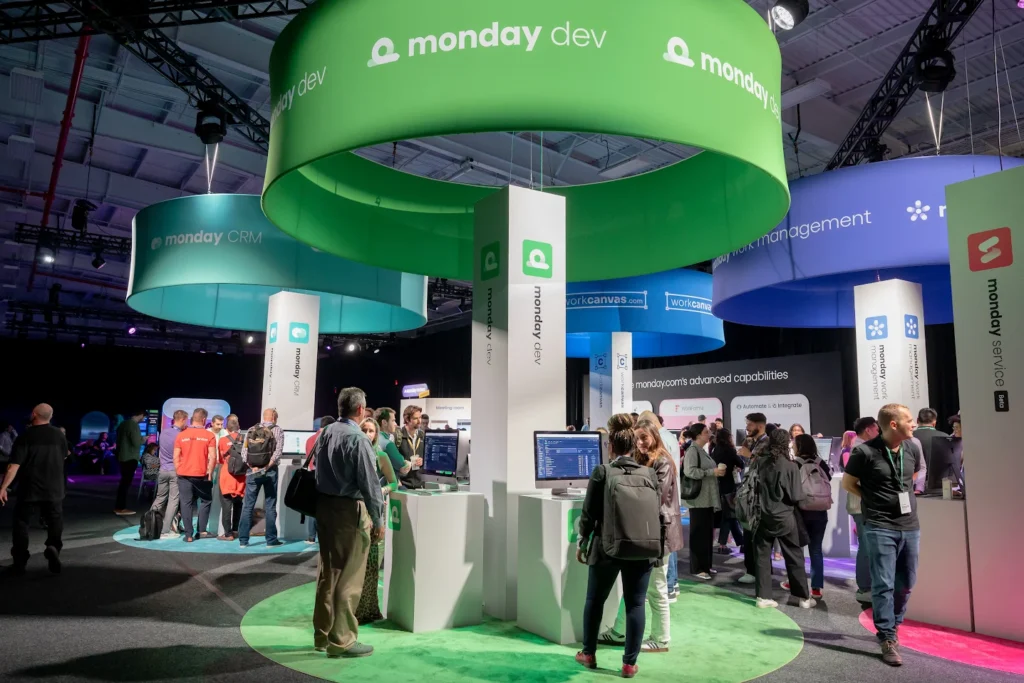
The most memorable brands create immersive environments that engage multiple senses while delivering clear value propositions. These experience-led activations go far beyond traditional booth displays, incorporating interactive digital experiences, live product demonstrations, and creative production elements that stop attendees in their tracks.
Interactive demonstrations allow prospects to engage with products in realistic scenarios. Marketing automation platforms create personalized customer journeys in real-time, while analytics tools visualize campaign performance using attendee data. These live demos provide tangible proof of capability while creating shareable moments that extend reach beyond the physical event.
Creative production elevates booth experiences through custom environments that reflect brand personality and values. Rather than generic trade show aesthetics, leading brands invest in environments that tell their story through spatial design, technology integration, and curated experiences. These investments create conversation starters that naturally lead to deeper business discussions.
The most sophisticated activations incorporate elements of gamification, personalization, and social sharing to maximize engagement. Attendees become active participants rather than passive observers, creating emotional connections that influence future purchasing decisions.
Thought Leadership & Content-Led Sponsorships
Strategic sponsorship investments position brands as industry authorities while maximizing visibility among target audiences. The most effective brands secure keynote speaking opportunities, moderate panel discussions, or host specialized sessions that showcase their deep expertise.
Content-led sponsorships extend beyond traditional speaking slots, creating multiple touchpoints throughout the conference experience. Forward-thinking brands create dedicated content hubs, sponsor networking experiences, or develop conference-specific resources that attendees can access during and after the event.
Multi-track conferences allow brands to address different audience segments with targeted content. While one track might focus on technical implementation for marketing professionals, another could address strategic considerations for CMOs and agency leaders. This segmented approach ensures message relevance while maximizing reach.
Influencer-led sessions leverage industry personalities and respected practitioners to amplify brand messages. Rather than obvious promotional content, these sessions focus on education and insight sharing, with brand association happening naturally through sponsorship and collaboration.
Data, AI, and Personalization
Forward-thinking brands leverage generative AI and advanced analytics & data capabilities to create personalized conference experiences. AI agents provide instant information and qualification, while machine learning algorithms match prospects with relevant solutions based on their interests and behavior patterns.
Real-time data collection and analysis enable immediate follow-up with qualified prospects. Rather than waiting days or weeks after the event, brands can continue conversations while interest and context remain fresh. This immediate engagement significantly improves conversion rates.
AI-enhanced workflows automate routine tasks while enabling human team members to focus on high-value relationship building. Automated lead scoring, content personalization, and follow-up sequencing ensure no opportunities fall through the cracks while maintaining the personal touch that drives business relationships.
Personalized experiences at conferences demonstrate a brand’s commitment to innovation while showcasing their technological capabilities – creating memorable interactions that differentiate brands from those using traditional marketing methods.
Advertising Conference Formats Brands Should Consider
In-Person Conferences
Traditional in-person conferences continue to provide the highest engagement levels and relationship-building opportunities. These formats enable face-to-face interactions, hands-on product demonstrations, and immersive brand experiences that create lasting impressions. The concentrated attention and reduced distractions of in-person events often generate higher-quality leads and stronger business relationships.
Hybrid Events and Live Streams
Hybrid event formats expand reach while maintaining personal connections. This approach often doubles potential audience reach while providing flexibility for different engagement preferences. Live stream capabilities extend keynote presentations and panel discussions to global audiences, multiplying the impact of speaking investments.
Multi-Track vs Single-Track Events
Multi-track conferences offer diverse audience segments but require strategic session selection to maximize impact. Single-track events provide concentrated attention but demand exceptional content quality to maintain engagement. Understanding track dynamics helps brands optimize their presence and resource allocation.
Exhibition Halls and VIP Experiences
Exhibition halls remain the primary venue for brand showcases, where buyer intent is higher than almost any other marketing channel. VIP experiences create exclusive environments for high-value prospects and existing customers – private dinners, exclusive sessions, and behind-the-scenes access demonstrate appreciation while providing intimate settings for strategic conversations.

How to Choose the Right Advertising Conferences
Audience Fit (B2B vs B2C)
Conference selection begins with precise audience alignment. B2B marketing events attract decision-makers with longer sales cycles and higher transaction values, while B2C-focused conferences emphasize consumer insights and creative strategies. Understanding audience composition, seniority levels, and buying patterns ensures conference investments generate qualified opportunities.
Advertising Focus (Search, Social, Brand, Performance)
Different conferences emphasize different aspects of the advertising ecosystem. Search marketing events attract technical practitioners focused on SEO, SEM, and conversion optimization. Social media conferences emphasize content strategy, influencer relationships, and community building. Brand marketing events focus on creative strategy, customer experiences, and brand positioning.
Performance marketing conferences attract data-driven professionals focused on attribution, optimization, and measurable results. Understanding each event’s focus ensures alignment with business objectives.
Sponsorship and Exhibitor Value
Evaluate sponsorship packages based on audience access, speaking opportunities, and brand visibility potential. Premium sponsorships often include keynote slots, prime exhibition space, and exclusive networking access that justify higher investments through increased lead quality and market positioning benefits.
Budget Considerations
Conference investments should align with expected returns and business objectives. Factor in sponsorship costs, booth design and production, travel expenses, and staff time when calculating total investment. The most successful brands view conference participation as integrated marketing campaigns rather than isolated events, measuring success across multiple metrics and time horizons.
Turning Advertising Conferences into Revenue Drivers
Capture Qualified Leads
Effective lead capture systems identify prospects with immediate buying intent while nurturing longer-term opportunities. Modern brands use mobile apps, QR codes, and interactive experiences to collect contact information while providing immediate value in return.
Pre-conference research and targeted outreach maximize meeting quality by focusing on pre-qualified prospects. Social media monitoring, attendee list analysis, and strategic meeting scheduling ensure productive use of limited conference time.
Influence Buying Decisions
Conference interactions often occur during active evaluation periods when prospects are comparing solutions. Strategic positioning, competitive differentiation, and value demonstration during these critical moments significantly influence final outcomes.
Educational content, case studies, and peer references provided during conference interactions support the evaluation process while building confidence in brand capabilities.
Measure Event ROI
Comprehensive measurement frameworks track both immediate and long-term conference impact. Leading brands monitor booth traffic, lead quality, pipeline generation, and eventual revenue attribution to optimize future conference investments.
Attribution modeling connects conference interactions to eventual revenue outcomes, enabling data-driven decisions about future conference investments and strategy optimization.
Align Experiential Marketing with Demand Generation
The most successful brands integrate their conference presence with broader demand generation strategies. Conference content becomes part of ongoing content marketing efforts, while relationships developed at events feed into nurturing campaigns and sales processes that drive sustained business growth.


Why Brands Partner with Eventique for Advertising Conferences
Eventique transforms advertising conference participation from tactical execution into strategic advantage, delivering ROI beyond the stage through engineered experiences that perform. Our approach combines deep industry knowledge with proven execution capabilities, creating brand experiences that generate measurable business impact.
Our advertising-event strategists understand the unique dynamics of industry conferences, bringing both boutique agility and enterprise-grade confidence to every engagement. We’ve helped Fortune 500 brands dominate major advertising conferences through innovative activations, thought leadership positioning, and comprehensive measurement frameworks.
As your future-forward partnership for end-to-end production and execution, Eventique handles every aspect of conference participation – from initial strategy development through post-event analysis. Our Eventique Services ensure brands maximize their conference investments while building lasting competitive advantages.
Our portfolio of successful activations demonstrates our ability to create standout experiences across diverse advertising conference formats. Whether you’re launching a new product, establishing thought leadership, or generating qualified pipeline, Eventique delivers results that transform conference attendance into measurable business outcomes.
Start Planning Your Advertising Conference Strategy
The advertising industry’s most successful brands don’t leave conference success to chance – they architect comprehensive strategies that align with business objectives while creating memorable experiences for their target audiences. Strategic conference participation requires expertise, resources, and execution capabilities that deliver measurable results.
Whether you’re exploring opportunities at AI conferences or planning comprehensive strategies across multiple events, the key lies in creating authentic connections that provide value to your target audience while advancing your business objectives.
Ready to transform your advertising conference presence into a revenue-driving competitive advantage? Contact Us to discuss how Eventique can help you dominate your next industry event. Our conference management services provide the strategic foundation and flawless execution you need to achieve measurable results.
FAQs
Companies sponsor advertising conferences to build brand credibility, generate qualified leads, and establish thought leadership within their target markets. Sponsorship provides direct access to decision-makers who are actively researching solutions, while speaking opportunities position brands as industry authorities. Additionally, conferences offer unique networking environments where companies can strengthen existing relationships and develop new partnerships. The concentrated attention and reduced competition for mindshare make conferences highly effective for building brand awareness and generating immediate business opportunities.
Yes, advertising conferences are highly effective for demand generation when executed strategically. These events provide concentrated access to qualified prospects with immediate buying intent, enabling real-time relationship building that accelerates sales cycles. Successful brands use conferences as integrated demand generation campaigns, combining pre-event marketing, engaging conference experiences, and comprehensive follow-up strategies to convert attendees into qualified pipeline and eventual revenue. The face-to-face interaction and demonstration opportunities often generate higher-quality leads than traditional digital marketing channels.