
Winning Attention and Pipeline at Marketing Conferences
In today’s hyper-competitive landscape, marketing conferences have evolved from simple networking events into strategic battlegrounds where brands compete for attention, credibility, and market share. With thousands of marketing professionals gathering at industry events, the challenge extends far beyond mere attendance – it requires creating unforgettable impressions that translate into measurable business outcomes.
For CMOs and marketing leaders, conference investments must deliver more than brand awareness. These strategic opportunities need to generate qualified leads, establish thought leadership, and create lasting connections with target audiences. The brands that dominate aren’t just showing up – they’re orchestrating experiences that transform attendees into advocates and prospects into pipeline.
What Are Marketing Conferences?
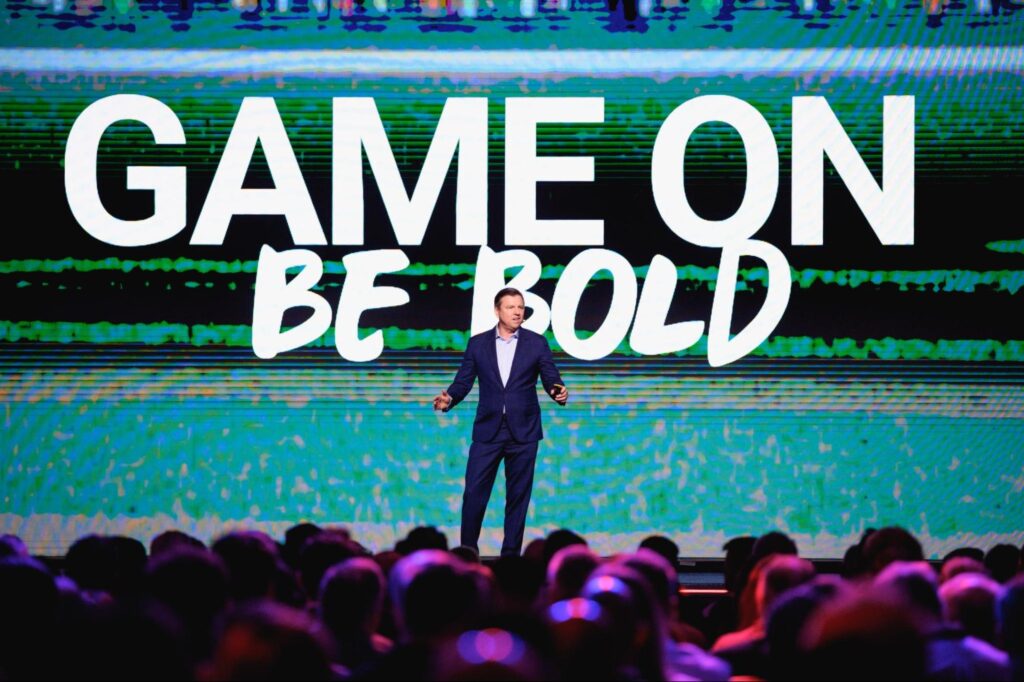
Marketing conferences are strategic gatherings where marketing professionals, industry leaders, and innovative brands converge to explore cutting-edge strategies, emerging technologies, and market-shifting trends. These events serve as accelerators for brand credibility, pipeline growth, thought leadership establishment, and product launches.
Modern marketing conferences encompass diverse formats – from intimate executive roundtables to massive multi-day exhibitions featuring thousands of attendees. Keynote speakers deliver insights on everything from generative AI applications to customer engagement strategies, while multi-track conferences allow attendees to customize their learning journey across specialized tracks like content marketing, digital marketing, SaaS marketing, and mobile marketing.
The strategic value extends far beyond education. Marketing conferences function as partnership incubators, competitive intelligence gathering grounds, and platforms where transformational deals begin with a single conversation. Industry leaders leverage these events to announce major initiatives, while emerging brands use them to establish market presence and credibility among marketing professionals who influence purchasing decisions.
For B2B organizations, marketing conferences represent concentrated access to decision-makers who typically require multiple touchpoints across extended sales cycles. A single well-executed conference activation can compress months of relationship-building into focused, high-impact interactions that drive measurable business outcomes.
How Brands Stand Out at Marketing Conferences
Experience-Led Booths and Activations
The era of static booth displays and branded swag is over. Today’s standout brands create immersive storytelling experiences that transform passive attendees into active participants. Interactive demos showcase products in action, allowing prospects to experience value firsthand rather than simply hearing about it.
Digital experiences powered by AR, VR, and mixed reality technologies create memorable moments that extend far beyond the conference floor. Brands are integrating generative AI into their activations, creating personalized content experiences that adapt in real-time to individual attendee interests and behavior patterns.
Creative production excellence separates market leaders from followers. This means custom-built environments that reflect brand values, interactive installations that encourage social sharing, and sensory experiences that create lasting emotional connections. The most successful activations tell cohesive brand stories through every touchpoint – from initial approach to follow-up communications.
Successful brands understand that their booth represents more than a sales opportunity – it’s a platform for showcasing innovation and industry leadership. By focusing on attendee value rather than sales pitches, these activations generate genuine interest and qualified leads while establishing the brand as a forward-thinking industry player.
Content-Driven Sponsorships
Strategic sponsorship extends far beyond logo placement. Brands that dominate marketing conferences position themselves as content creators and thought leaders through keynote presentations, panel discussions, and influencer-led sessions that provide genuine value to attendees.
Multi-track programming sponsorships allow brands to align with specific audience segments, whether targeting content strategy professionals, digital strategies experts, or analytics & data specialists. This precision targeting ensures message relevance and maximizes engagement quality.
The most impactful content sponsorships create educational experiences that subtly demonstrate product capabilities without overt selling. Industry-leading speakers from sponsor organizations share insights, case studies, and frameworks that attendees can immediately apply, establishing the sponsoring brand as a trusted resource rather than just another vendor.
Content-driven sponsorships also generate valuable assets for ongoing marketing campaigns. Recorded sessions, presentation materials, and attendee engagement data become fuel for multi-channel marketing initiatives that extend conference value for months beyond the live event.
Data, AI, and Personalization
Generative AI is revolutionizing how brands approach conference marketing, enabling personalized experiences at unprecedented scale. AI-powered chatbots provide instant, contextual responses to attendee questions, while machine learning algorithms analyze interaction patterns to identify high-value prospects automatically.
Analytics & data integration allows real-time optimization of conference strategies. Brands track engagement metrics, conversation quality, and lead scoring in real-time, adjusting their approach based on actual performance data rather than assumptions.
AI-enhanced workflows streamline everything from customer experiences to follow-up communications. Automated systems can segment leads based on interaction quality, trigger personalized follow-up sequences, and integrate seamlessly with existing CRM and marketing automation platforms.
Consumer behavior analysis powered by AI provides deeper insights into attendee motivations, preferences, and decision-making processes. This intelligence informs not only immediate conference strategies but also broader marketing and product development initiatives.
Types of Marketing Conferences Brands Should Consider
Digital marketing conferences focus on emerging technologies, platform updates, and performance optimization strategies. These events attract growth marketers, performance specialists, and technology-focused marketing leaders seeking tactical insights and tool recommendations.
Content marketing conferences emphasize storytelling, brand building, and audience engagement strategies. Attendees typically include content strategists, brand managers, and creative professionals interested in narrative-driven marketing approaches and content strategy development.
SaaS marketing events cater specifically to software companies, addressing unique challenges like product-led growth, customer success integration, and subscription model optimization. These highly targeted conferences often generate the highest-quality leads for B2B software brands.
Social media marketing conferences explore platform-specific strategies, influencer partnerships, and community building tactics. With the rapid evolution of social media platforms and changing consumer behavior, these events provide crucial updates on best practices and emerging opportunities for brand engagement.
In-person events provide unmatched networking opportunities and immersive brand experiences, while virtual conferences offer broader reach and cost efficiency. Hybrid models combine the best of both approaches, maximizing accessibility while preserving high-value face-to-face interactions.
Industry-specific marketing conferences within sectors like healthcare, financial services, or technology provide deeper vertical expertise and more qualified prospect pools. These specialized events often yield higher conversion rates due to audience alignment and shared industry challenges.


How to Choose the Right Marketing Conferences
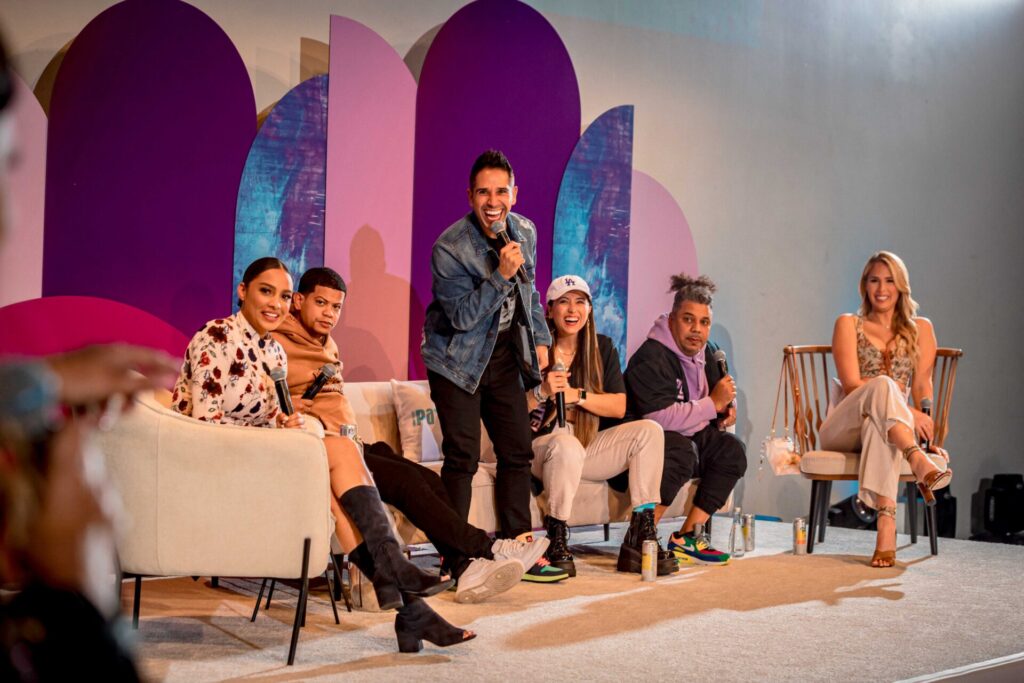
Audience alignment represents the most critical selection factor. Successful brands analyze attendee demographics, job titles, company sizes, and industry verticals to ensure strategic fit with their ideal customer profiles. A conference attracting primarily agency professionals may not align with a brand targeting enterprise in-house marketing teams.
Industry vertical relevance determines message resonance and competitive landscape dynamics. Vertical-specific conferences often provide deeper, more actionable insights than broad horizontal events, while also offering clearer paths to qualified lead generation and partnership opportunities.
Sponsorship value extends beyond attendee numbers to include speaker lineups, media coverage, and post-event content opportunities. Premium conferences with industry-leading speakers often provide greater credibility benefits than larger events with less prestigious programming.
Exhibitor opportunities should align with brand objectives and resource capabilities. Some conferences excel at facilitating intimate conversations, while others provide platforms for large-scale product demonstrations or major announcements. Understanding the event’s culture and attendee expectations ensures optimal activation strategy selection.
Budget considerations encompass not just registration and sponsorship fees, but also travel, accommodation, booth construction, promotional materials, and staff time investments. Successful brands develop comprehensive conference budgets that account for all associated costs while establishing clear ROI measurement criteria that justify the investment.
Geographic considerations affect both attendance costs and audience relevance. Regional conferences may provide stronger local market penetration, while national events offer broader brand exposure and diverse networking opportunities.
Turning Marketing Conferences into Revenue Drivers
Capturing qualified leads requires systematic approaches that extend far beyond collecting business cards. Successful brands implement lead scoring methodologies that evaluate interaction quality, buying signals, and fit criteria in real-time during conference interactions.
ROI measurement demands clear attribution models that connect conference activities to downstream revenue outcomes. This includes tracking not just immediate conversions, but also influenced deals, accelerated sales cycles, and expanded opportunity sizes within existing accounts.
Aligning event marketing to demand generation strategies ensures conference investments support broader marketing objectives. This means integrating conference leads into existing nurture sequences, account-based marketing programs, and sales development processes.
Post-conference follow-up often determines ultimate success. Brands that implement immediate, personalized outreach while conversations remain fresh typically achieve significantly higher conversion rates than those relying on generic follow-up sequences.
Sales and marketing alignment becomes crucial for conference ROI optimization. Clear lead handoff processes, shared qualification criteria, and coordinated follow-up strategies ensure conference investments translate into actual revenue outcomes rather than just marketing qualified leads.
Long-term relationship building extends conference value beyond immediate sales opportunities. Strategic brands use conferences to establish ongoing thought leadership relationships, identify partnership opportunities, and gather competitive intelligence that informs broader business strategies.


Why Brands Partner with Eventique for Marketing Conferences
Eventique transforms marketing conference participation from tactical execution into strategic advantage. Our experiential marketing expertise creates immersive brand experiences that generate measurable business outcomes, not just memorable moments. We understand that ROI extends beyond the stage – every element of your conference presence must be engineered to perform.
As event marketing strategists, we recognize that successful conference programs require seamless integration across creative concepting, technical production, and performance optimization. Our approach combines boutique agility with enterprise-grade confidence, ensuring flawless delivery at any scale while maintaining the strategic flexibility that drives breakthrough results.
Our execution and production leadership encompasses everything from custom booth design and interactive technology integration to speaker coaching and lead management systems. We handle operational complexity so brands can focus on relationship building and strategic conversations that drive revenue growth.
Eventique Services begin with deep audience analysis and competitive landscape assessment, ensuring every conference investment aligns with broader business objectives. We don’t just create beautiful experiences – we engineer measurable results.
Our future-forward partnership approach means we serve as strategic advisors, not just vendors. We continuously optimize your conference strategy based on performance data, industry evolution, and emerging opportunities. Explore our work to see how strategic conference activation supports comprehensive experiential marketing campaigns that generate lasting business impact.
Start Planning Your Marketing Conference Strategy
Marketing conferences represent unparalleled opportunities for brand building, lead generation, and market positioning – but only for organizations that approach them strategically. The brands that dominate these events understand that success requires more than attendance; it demands orchestrated experiences that transform prospects into advocates and conversations into revenue.
Whether you’re planning your first major conference activation or optimizing an existing program, the key lies in treating these events as integrated marketing ecosystems rather than isolated touchpoints. From AI conferences to industry-specific gatherings, each event requires customized strategies that align with your unique objectives and audience dynamics.
Ready to transform your marketing conference strategy from expense into investment? Contact our team to discover how Eventique creates conference experiences that deliver measurable ROI while building lasting competitive advantage.
Learn more about our comprehensive conference management services designed to maximize your event marketing impact.
FAQs
Brands should sponsor marketing conferences to establish thought leadership, generate qualified leads, and build credibility within their target markets. Sponsorships provide opportunities to showcase expertise through content-driven programming, create memorable brand experiences, and access concentrated audiences of decision-makers. Strategic sponsorships also generate valuable content assets, media coverage, and partnership opportunities while positioning brands as industry leaders and trusted resources rather than just vendors.
Marketing conferences are excellent for B2B lead generation when approached strategically. They provide concentrated access to decision-makers who typically require multiple touchpoints across extended sales cycles, allowing brands to compress months of relationship-building into focused, high-impact interactions. Successful B2B lead generation at conferences requires systematic lead scoring, real-time qualification processes, and immediate follow-up strategies. The key is focusing on relationship building and value creation rather than traditional sales approaches, with proper attribution models to track conference influence on downstream revenue outcomes.